Do I Need an Electrical Panel Upgrade for an EV Charger?
If you are planning to install a Level 2 EV charger at home, one of the biggest questions is whether your existing electrical panel can handle it. Some Long Island homes are ready for an EV charger with only a dedicated circuit. Others may need a panel upgrade, subpanel, or additional electrical work before the charger can be installed safely.
The answer depends on your panel size, available breaker space, current electrical load, charger amperage, and the overall condition of your electrical system. Before installing an EV charger, a licensed electrician should evaluate whether your home has enough capacity for safe, reliable charging.
Quick Answer
You may need an electrical panel upgrade for an EV charger if your panel is outdated, full, overloaded, damaged, undersized, or unable to safely support the charger’s electrical demand. Many Level 2 chargers require a dedicated 240-volt circuit, so your panel needs enough available capacity.
Why EV Chargers Put Extra Demand on Your Electrical Panel
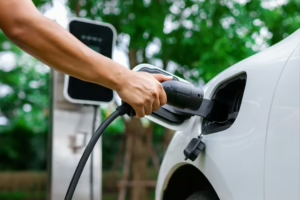
A Level 2 EV charger uses more power than a standard household outlet. Instead of plugging into a basic 120-volt receptacle, most Level 2 chargers require a dedicated 240-volt circuit. This allows your vehicle to charge much faster, but it also means your electrical panel needs to safely support the added load.
Your panel already supplies power to your lights, outlets, appliances, HVAC system, washer, dryer, kitchen equipment, and other circuits. Adding an EV charger can be a major new demand, especially if your home already has a lot of high-powered equipment.
Signs You May Need a Panel Upgrade Before Installing an EV Charger
Not every EV charger installation requires a panel upgrade. However, there are several signs that your electrical system may need improvement before a charger can be installed safely.
1. Your Electrical Panel Is Full
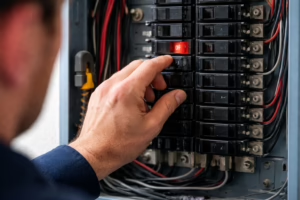
If there is no available breaker space in your panel, your electrician may need to explore options such as installing a subpanel, reorganizing circuits, or upgrading the main panel. EV chargers should not be squeezed into a panel without proper planning.
2. Your Home Has an Older 100-Amp Panel
Many older Long Island homes still have 100-amp electrical service. While some 100-amp panels may be able to support an EV charger depending on the home’s load, many are already close to capacity. If your home has central air, electric appliances, a finished basement, pool equipment, or other high-demand systems, a panel upgrade may be needed.
3. Breakers Trip Frequently
Frequent breaker trips can be a sign that your electrical system is overloaded or that certain circuits are under strain. Adding an EV charger to a system that is already struggling can make the problem worse and may create safety risks.
4. The Panel Shows Signs of Wear or Damage
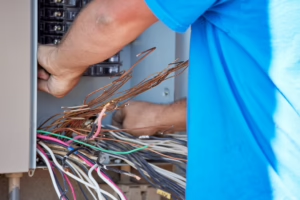
Rust, corrosion, buzzing, burning smells, warm breakers, melted components, or visible damage should be inspected before adding any major new electrical load. A panel in poor condition should not be used for EV charger installation without professional evaluation.
5. You Are Adding Other High-Demand Equipment
EV chargers are often added around the same time as other upgrades, such as standby generators, heat pumps, central air, electric ranges, hot tubs, or major renovations. If several electrical upgrades are happening together, your home may need more capacity.
Can You Install an EV Charger Without Upgrading the Panel?
Yes, in many cases you can install a Level 2 EV charger without upgrading the entire electrical panel. If your panel has available breaker space and enough capacity, an electrician may be able to install a dedicated circuit for the charger.
In other situations, a smaller adjustment may solve the issue. This may include adding a subpanel, using a load management device, installing a charger with adjustable amperage, or choosing a setup that fits your home’s available electrical capacity.
The right solution depends on the home. That is why a panel evaluation is one of the most important steps before EV charger installation.
What Is a Load Calculation?
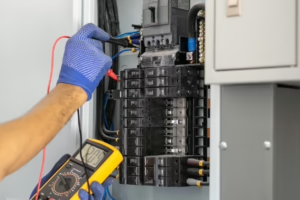
A load calculation helps determine how much electrical demand your home currently uses and whether there is enough remaining capacity for an EV charger. This calculation considers the size of your electrical service, existing appliances, HVAC equipment, lighting, outlets, and other major loads.
A load calculation is not just about whether there is an open breaker slot. A panel can have space for a breaker and still not have enough safe capacity for a new high-demand circuit.
What Size Panel Is Best for EV Charging?
Many modern homes use 200-amp service because it provides more room for today’s electrical needs. A 200-amp panel can often better support EV chargers, modern HVAC systems, kitchen appliances, home offices, generators, and future upgrades.
That does not mean every EV charger installation automatically requires a 200-amp upgrade. Some homes can support a charger with the existing panel. Others benefit from upgrading because the electrical system is outdated, limited, or already near capacity.
| Panel Situation | What It May Mean |
|---|---|
| Panel has space and capacity | A dedicated EV charger circuit may be possible without a panel upgrade. |
| Panel is full but capacity is acceptable | A subpanel or circuit adjustment may be an option. |
| Panel is outdated or overloaded | A panel upgrade may be recommended before charger installation. |
| Home has multiple new electrical upgrades planned | A larger electrical upgrade may be the better long-term solution. |
How Charger Amperage Affects Panel Requirements
Different EV chargers can be installed at different amperage levels. A higher-amperage charger may charge faster, but it also requires more electrical capacity. Some chargers can be configured to run at a lower amperage if your panel cannot safely support a larger circuit.
This is one reason professional installation matters. The electrician needs to match the charger, wiring, breaker, panel capacity, and installation method correctly.
Is a Panel Upgrade Worth It If You Are Getting an EV?
A panel upgrade may be worth it if your home is already limited, outdated, or struggling to support modern electrical needs. Even beyond EV charging, many homes now need more capacity for appliances, HVAC systems, smart home equipment, home offices, generators, and renovations.
If your panel is already close to capacity, upgrading can help your home become safer, more flexible, and better prepared for future electrical demand.
Planning an EV Charger Installation?
HomeOps Electric can evaluate your electrical panel, review your charger location, and help determine whether your home needs a dedicated circuit, subpanel, load management option, or panel upgrade before installation.
Can a Subpanel Help With EV Charger Installation?
In some homes, a subpanel can help create additional circuit space in a more convenient location. For example, if the main panel is far from the garage, a subpanel may help organize electrical service for the garage or charger area.
However, a subpanel does not magically increase the home’s total electrical capacity. The main service still needs to be able to support the added load. An electrician can determine whether a subpanel is useful or whether a full panel upgrade is the safer option.
Why You Should Not Guess on EV Charger Electrical Capacity
It can be tempting to assume that an open breaker slot means your panel is ready for an EV charger. That is not always true. EV chargers add a large continuous load, and the installation needs to be sized and planned correctly.
Incorrect installation can lead to overheating, nuisance breaker trips, damaged equipment, unsafe wiring, or failed inspections. A licensed electrician can check the panel, calculate load, and install the charger safely.
EV Charger Panel Upgrade: The Bottom Line
You do not always need an electrical panel upgrade to install an EV charger, but you do need to confirm that your panel is safe, properly sized, and capable of supporting the charger. Some homes only need a dedicated circuit. Others need a subpanel, load management solution, or full electrical panel upgrade.
If you are planning EV charger installation in Long Island, start with a professional panel evaluation. HomeOps Electric can help you understand your options and install your charger safely.
Schedule EV Charger Service With HomeOps Electric
Need help figuring out whether your panel can support an EV charger? Call HomeOps Electric to schedule an evaluation or request an estimate.
EV Charger Panel Upgrade FAQs
Do I need a panel upgrade for a Level 2 EV charger?
Not always. Some homes have enough available electrical capacity for a Level 2 EV charger. However, older panels, full panels, overloaded systems, or lower-capacity electrical services may need an upgrade before the charger can be installed safely.
Can a 100-amp panel support an EV charger?
Sometimes, but it depends on the home’s total electrical load. A 100-amp panel may be able to support a charger in some situations, but many older homes with 100-amp service are already close to capacity. A licensed electrician should evaluate the panel before installation.
Does an open breaker space mean my panel can handle an EV charger?
No. An open breaker space does not automatically mean your panel has enough electrical capacity. EV charger installation should include a review of panel capacity, existing load, breaker sizing, wiring, and charger requirements.
Can I install a subpanel instead of upgrading my main panel?
In some cases, a subpanel may help create additional circuit space or make the charger installation more practical. However, the main electrical service still needs enough capacity to support the EV charger.
Who can check if my panel is ready for an EV charger?
A licensed electrician can inspect your panel, calculate available capacity, review your charger requirements, and determine whether your home needs a dedicated circuit, subpanel, load management setup, or panel upgrade.