Generator Archives - HomeOps https://callhomeops.com/category/generator/ Responsive Respectful Excellent Service Fri, 30 Aug 2024 16:24:46 +0000 en-US hourly 1 https://wordpress.org/?v=6.9.4 https://callhomeops.com/wp-content/uploads/cropped-HOP-Logo-FVCN-32x32.png Generator Archives - HomeOps https://callhomeops.com/category/generator/ 32 32 Powering Your Home with Confidence: The Ultimate Guide to Choosing the Right Generator https://callhomeops.com/generator/how-to-choose-the-right-generator-powering-through-the-confusion/ Wed, 28 Feb 2024 14:00:00 +0000 https://homeops.wpenginepowered.com/?p=10633 While there is no one-size-fits-all solution, you can trust HomeOps to find the best generator for your Islip, New York, home

The post Powering Your Home with Confidence: The Ultimate Guide to Choosing the Right Generator appeared first on HomeOps.

]]>
Power outages happen. Whether it’s a windy storm or a downed line here in Suffolk County, NY, suddenly being plunged into darkness can be frustrating. But with so many types and features on the market, choosing the right generator can feel like deciphering hieroglyphics. Don’t worry—our trusted team at HomeOps can cut through the jargon and help you find the perfect power partner!

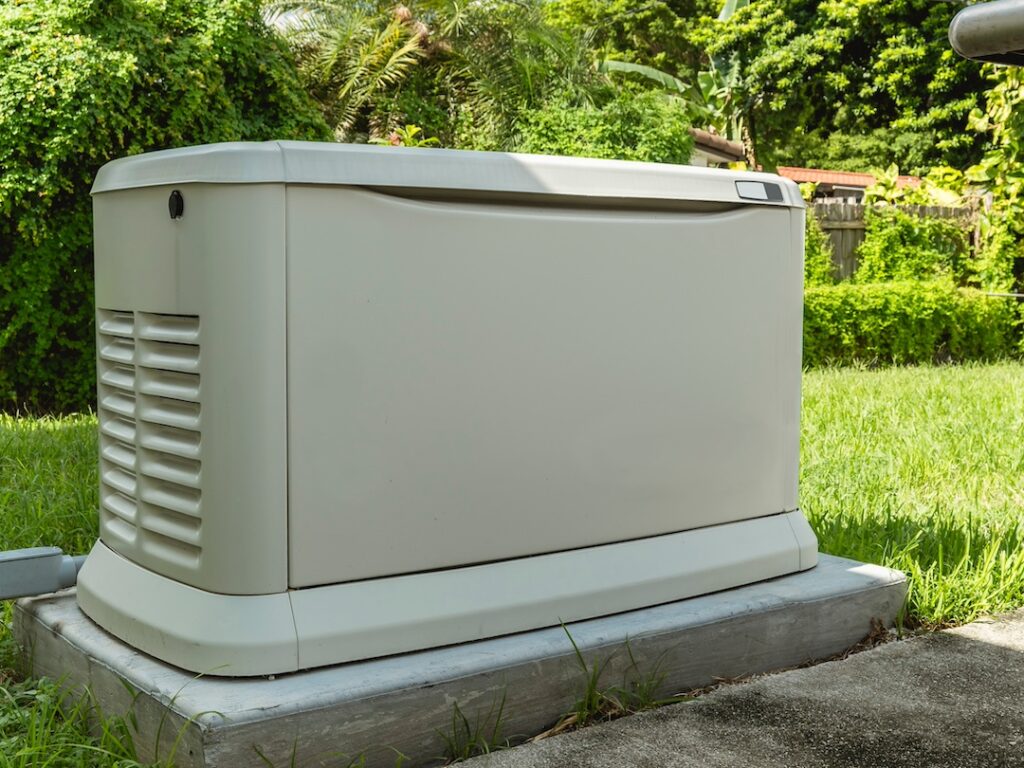
A Home Standby Generator installed at the backyard of a house. An air-cooled natural gas or liquid propane generator for residential use.
Stylish interior of living room at night

First, What Is a Generator?

A generator is a device that converts mechanical energy into electrical energy, providing a reliable source of power during outages or in remote locations where electricity is unavailable. It operates by using fuel—such as gasoline, diesel, or natural gas—to create energy that is then transformed into electrical current. 

There are various types of generators designed for different applications, ranging from small portable units suitable for camping or tailgating to larger standby generators that can power an entire home, ensuring comfort and safety in times of need. Understanding the functionality and specifications of generators is essential in selecting the right one for your specific requirements.

Why Do You Need a Generator?

Power outages are becoming more frequent in the United States—and you can blame the weather. According to Climate Central, the average annual number of weather-related power outages in the U.S. has increased by almost 80 percent since 2011. A reliable generator is an investment, ensuring you are never truly powerless.

Types of Generators Explained

Portable Generators

Portable generators are your workhorses on wheels, perfect for temporary power during outages or camping trips. They come in various sizes, from powering essential items (think lights and a small fridge) to handling bigger loads like air conditioners and sump pumps. Their portability is a bonus, but remember, fuel and maintenance are ongoing concerns.

Whole Home Standby Generators

Standby generators are built for heavy loads. Permanently connected to your home’s electrical system, they kick in automatically when the power goes out, offering seamless backup. No need to lug them around or refill fuel tanks—just sit back and enjoy peace of mind, knowing you have power. However, standby generators require professional installation and are a more significant investment.

What Do You Need to Power?

Are you looking to keep the lights on and the fridge humming during a brief outage? Or do you need to run power tools and heavy appliances during an extended blackout? Identifying your essential needs will determine the kind of generator muscle you require.

Powering Your Generator

⛽ Natural Gas

For a permanently installed standby generator, natural gas might be the ideal fuel. It is readily available through your existing gas line, eliminating refilling woes.

⛽ Gasoline

Gas generators are readily available and affordable. However, they are noisy, require regular refueling, and emit fumes.

⛽ Propane

Clean-burning and quieter than gas, propane generators are a good choice for indoor or enclosed spaces. However, propane tanks can be bulky, and refilling is less convenient.

Smooth Power for Sensitive Electronics

Consider an inverter generator if you have delicate electronics like laptops or medical equipment. These generators produce smoother, cleaner power, preventing voltage fluctuations that can damage sensitive devices. They’re also quieter than traditional generators, making them ideal for camping or tailgating.

The Benefits of Whole Home Generators

Whole home generators provide a myriad of advantages that make them a compelling choice for homeowners concerned about power outages. First and foremost, they offer continuous power supply during outages, automatically starting within seconds to keep essential systems like heating, cooling, and refrigeration operational. This seamless transition not only maintains comfort but also ensures the safety of perishable food items.

Additionally, whole home generators enhance safety and security by powering critical devices such as medical equipment, security systems, and communication devices, allowing families to remain connected and protected even in challenging situations. Unlike portable generators, which require manual operation and refueling, whole home generators run on natural gas or propane, eliminating the hassle and risks associated with fuel storage and handling. Overall, investing in a whole home generator translates to peace of mind, enabling homeowners to rest easy knowing they are prepared for whatever challenges may arise with the power supply.

Sizing Your Whole Home Standby Generator

When considering a whole home generator, it’s essential to evaluate the total wattage needed to support your household demands. This typically involves calculating the power requirements of all critical appliances, including refrigerators, heating systems, and any other devices you wish to keep running. Whole home generators generally run on natural gas or propane, providing a more consistent power supply without the need for frequent refueling. While the initial investment may be higher than portable options, the convenience and security of having uninterrupted power during outages make them an attractive solution for many homeowners.

⚠ Ask Your Installer For Suggestions and Calculations

When it comes to selecting the right generator for your home, consulting with a qualified installer can be invaluable. These professionals have the expertise to assess your specific power needs and recommend the most suitable options for your situation. An installer can help you calculate the total wattage required to run your essential appliances and determine the right generator type—be it portable or standby—that will best serve your needs.

Additionally, they can provide insights and recommendations on installation, maintenance, and any local regulations you should be aware of. By leveraging their knowledge, you can make an informed decision that not only meets your power requirements but also ensures safety and compliance.

Home Generator Maintenance Tips

Proper maintenance is essential to ensure your home generator operates efficiently and reliably during power outages. Here are some key maintenance tips to keep your generator in top condition:

  1. Regular Oil Changes: Just like any engine, your generator requires regular oil changes to ensure optimal performance. Check the manufacturer’s guidelines for recommended oil change intervals, typically every 50 to 100 hours of use.
  2. Inspect and Replace Filters: Air filters can become clogged with dust and debris, reducing efficiency. Inspect your generator’s air filter regularly and replace it as necessary to maintain proper airflow.
  3. Run the Generator Periodically: To prevent fuel from going stale and to keep the engine lubricated, run your generator under load for about 30 minutes every month. This practice also checks that the system operates correctly.
  4. Battery Maintenance: If your generator uses a battery, ensure it’s charged and in good condition. Clean any corrosion from the terminals and check the electrolyte levels, topping them up with distilled water if necessary.
  5. Check the Fuel System: For generators that run on gasoline, inspect fuel lines and connections for leaks. Replace any fuel that has been stored for over a year, and consider using a fuel stabilizer to extend the shelf life.
  6. Keep It Clean: Regularly clean the generator’s exterior to prevent dust and debris buildup. Ensure vents are clear for proper airflow, and cover the generator when not in use to protect it from the elements.
  7. Professional Servicing: Consider scheduling a professional service at least once a year. Technicians can perform thorough inspections and maintenance, ensuring that your generator is prepared for emergencies.
 

By following these maintenance tips, you can help extend the lifespan of your home generator and ensure it’s ready to provide reliable power when you need it most.

Wrapping Up

In summary, incorporating a home generator into your power strategy is an essential step toward ensuring safety and comfort during outages. With a range of options available, from portable units to whole home systems, understanding your specific energy needs and environmental considerations is vital for making an informed decision. By consulting with professionals and adhering to maintenance best practices, you can maximize your generator’s efficiency and longevity. Ultimately, investing in a generator not only preserves your daily routine but also provides peace of mind, allowing you to confidently navigate any power disruptions that may come your way.

The post Powering Your Home with Confidence: The Ultimate Guide to Choosing the Right Generator appeared first on HomeOps.

]]>
Preparing For a Rolling Power Outage https://callhomeops.com/generator/preparing-for-a-rolling-power-outage/ Fri, 15 Dec 2023 14:00:00 +0000 https://homeops.wpenginepowered.com/?p=10610 At HomeOps, we maintain, repair, and install generators that automatically switch your home’s electrical panel from utility company-supplied power to generator power when an outage occurs.

The post Preparing For a Rolling Power Outage appeared first on HomeOps.

]]>
No one looks forward to a power outage. It can result from extreme weather, wildfires, equipment failure, or an intentional response to excessive power demand.

It always disrupts your daily routine and can damage your physical and financial health.

You have no control over the frequency and circumstances surrounding electrical power outages in New York. However, you can prevent related damage to your Smithtown home and health with a standby generator.

At HomeOps, we maintain, repair, and install generators that automatically switch your home’s electrical panel from utility company-supplied power to generator power when an outage occurs. It automatically switches back when power returns.

A standby generator can provide backup power to your entire house or select circuits, depending on the generator size. Propane or natural gas power these units.

Safeguard Your Health, Home

Standby generators are lifesavers for people who use medical equipment powered by rechargeable batteries or electricity. Generators give them peace of mind, and they can remain at home, knowing an outage will not jeopardize their medical needs.

A standby generator also avoids the inconvenience of electricity loss. Without a generator, a prolonged outage typically means you will need plenty of batteries to run lanterns and other devices and ice to keep food from spoiling.

You risk damage from a power surge unless you unplug major appliances and turn off your heating, ventilation, and air conditioning (HVAC) system.

If you do not own a generator, you can prepare for an outage that may be part of a weather event or wildfire. However, you probably will not get advance notice of equipment failure, power grid vandalism, and sometimes even rolling outages.

Reasons for Rolling Outages

A rolling outage happens when the demand for electricity outpaces the supply. Utility companies implement rolling outages to avoid a total blackout.

They create an outage in one area of the power grid and then move on to another portion of the grid. The idea is to alleviate the load on the grid without forcing the outage on one area for an extended time.

Why would demand exceed supply?

During record-breaking high heat, like the Southwest experienced over the summer, home cooling systems tend to work almost non-stop and can strain the power grid.

Failing transformers or power lines can cause a rolling blackout. Insufficient fuel to generate enough electricity to meet demand also can trigger an outage.

Some New York utility companies implement rolling power outages during windy weather when downed live wires can set dry landscapes ablaze.

Time Spent in Outages

According to PowerOutage.us, a project that tracks, records, and aggregates power outages, California had the second largest number of power interruptions from 2000 to 2020, followed by Michigan. Texas had the most.

The U.S. Energy Information Administration (EIA) says U.S. electricity customers experienced just over seven hours of power interruptions in 2021. That is almost an hour less than the previous year.

The agency also calculated the number of outages annually from 2013-2021, excluding wildfires and weather events, and found that customers experienced an average of two hours of electrical interruptions annually.

Two to seven hours annually may not seem like a long time to endure a loss of electricity until a rolling or extended outage hits your Smithtown home, bringing inconvenience and threatening your health, food loss, and work time in your at-home office.

Prepare for Outages Now

Rolling outages and extended blackouts will not alter your daily routine when you install a standby generator in your Smithtown, NY, home. One of our qualified team members at HomeOps can recommend the best equipment for your goals and budget. Call us at 631.509.2000 or request service online.

The post Preparing For a Rolling Power Outage appeared first on HomeOps.

]]>